Objective Read on Every Leader
Every leader completes a behavioral and cognitive assessment and sits for a confidential one-to-one. What comes back is a profile and a map of where capability and strategic fit line up, and where they do not.
LEADERSHIP360: Leadership Team Alignment Program
LEADERSHIP360 is a 90-day leadership team development program for founder-CEOs of growth-stage companies. It uses behavioral and cognitive data to put the right people in the right seats, and turns a founder-dependent company into a founder-led one.
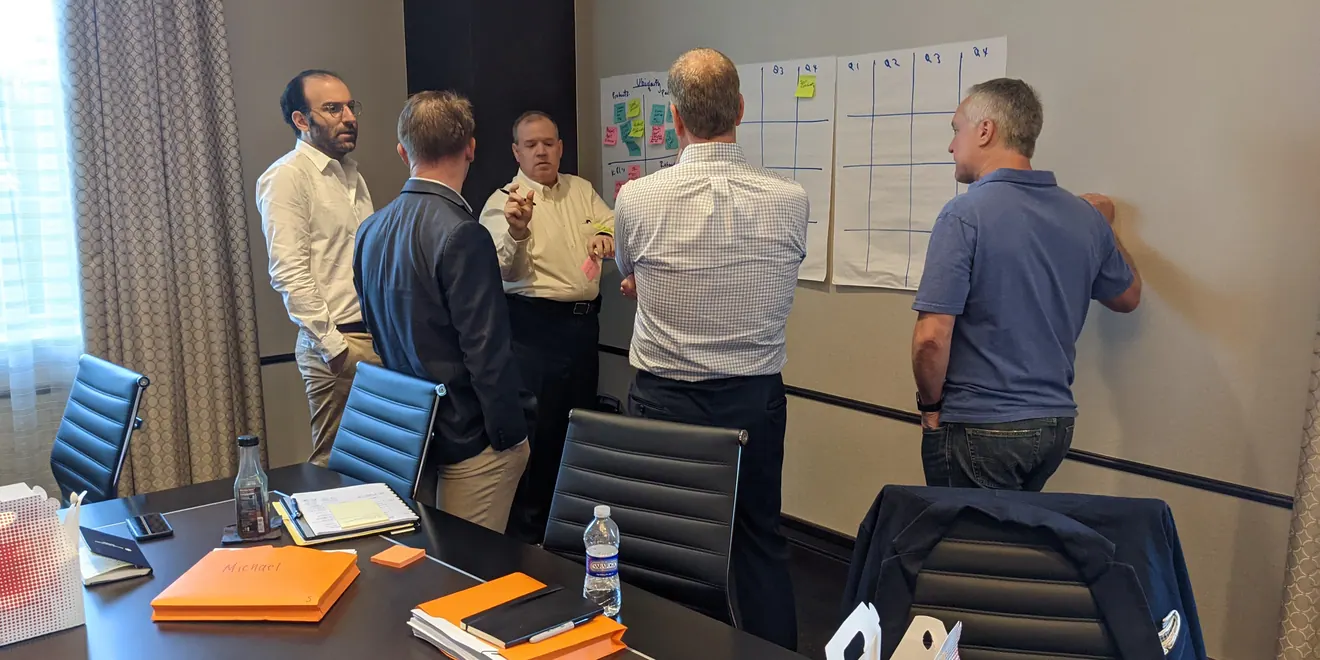
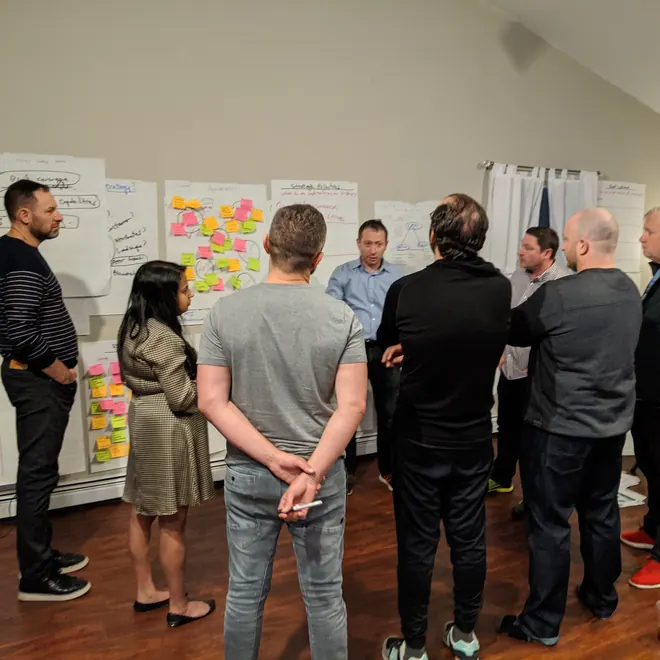
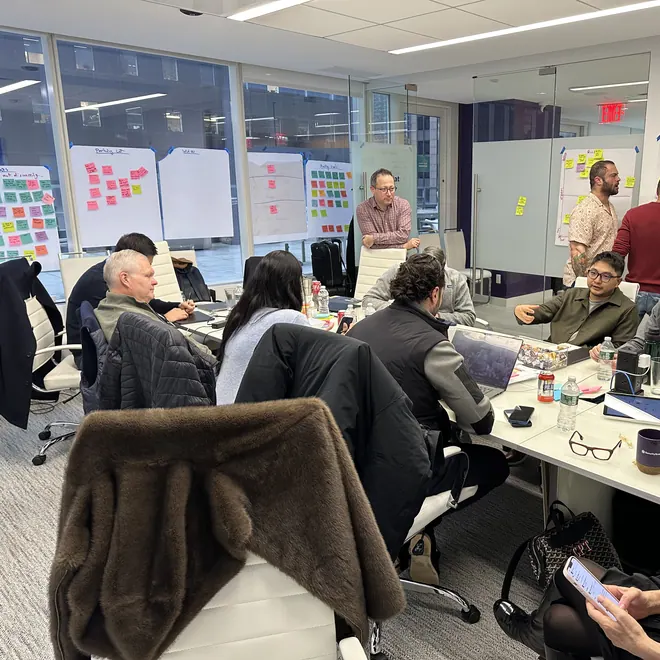
LEADERSHIP360 is a leadership team development program that turns a group of capable managers into a leadership team that runs the business together. It replaces impressions and tenure with objective data, so every seat gets filled on evidence of capability and fit. It is the core program in the Build Your Team stage.
Every leader completes a behavioral and cognitive assessment and sits for a confidential one-to-one. What comes back is a profile and a map of where capability and strategic fit line up, and where they do not.
Team composition gets measured against where the business is going, not where it has been. Overlaps and gaps surface together, and the changes get facilitated rather than announced, which is what makes them hold.
Every key seat gets its own scorecard, metrics, and decision rights. Authority levels are set explicitly, so leaders decide inside their own domains and the business stops waiting on you to weigh in.
Leaders get a common vocabulary for strengths, gaps, and fit. Performance conversations stop being personal and start being about the seat and what it needs.
Role and fit decisions are the ones teams avoid longest. A clear framework and facilitated sessions get them named, worked through, and settled.
Individual coaching for each leader, and for you, as roles shift. New expectations get real support, and NEXTLEVEL can carry your own coaching forward after the program ends.
LEADERSHIP360 is built for the founder-CEO who is carrying the team instead of being carried by it. None of that means you hired badly. More often it means the team was assembled to solve the problems you had three years ago.
You are the engine, the safety net, and the final answer all at once. The weight stays on you because the team has not yet grown into sharing it. Every hard call lands on your desk, and the company moves at the speed of the hours you have left in the week. That is not a time management problem. It is a structure problem.
When you are in the room, the business moves. When you step out, it stalls, and everyone waits for you to come back. A vacation turns into a backlog. A week of travel shows up as a week of drift. The company has learned to run on your presence, which means it cannot yet run on its own leadership.
The vision and the next moves still come from you. No one else on the team is generating where the company goes next. Your leaders execute well on what you hand them, but the strategic thinking stays in one head. That caps the company at the size of your bandwidth and makes you the single point of failure for the future.
Strong department heads run their own lane well and leave the cross-business thinking to you. That works while the company is small. It stops working once the decisions that matter sit between functions, like pricing that touches sales and operations. Someone has to own the whole, and right now that someone is only you.
Tensions get smoothed rather than surfaced. The problem stays in the room, unspoken, and the team quietly works around it. Underperformance gets tolerated, role overlaps never get resolved, and decisions get reopened in side conversations. The cost never shows up on a report. It shows up in speed, in trust, and in the people who leave.
A new market, an acquisition, or a sale is on the horizon, and you already suspect the team built for today will not hold under it. Growth adds complexity faster than an informal structure can absorb, and a buyer will look hard at whether the business runs without you. The leadership team has to be ready before that moment, not after it.
Every leadership team is strong in some areas and exposed in others, and no two look the same. The Team Readiness Assessment scores yours on 24 short statements across six areas, so you can see where the team is solid and where the blind spots are. It takes about ten minutes, and your scores appear the moment you finish.
A sample leadership team of six, with each area scored out of 40. Each thin line is one leader's scores, and the red line is the team average. Where the lines spread apart, the team sees that area differently, and that gap is often where the blind spot sits.
A shared set of values the team actually uses to make hard calls. Documented, specific, and honest about the trade-offs they demand.
Clear scorecards, so everyone knows what they own and how success is measured. Every leader can see everyone else's.
A defined process for how decisions get made and who makes them, agreed before the decision rather than argued in the middle of it.
Honest debate that still reaches a decision everyone can support. Disagreement stays about the work, not the person.
People own their commitments and hold each other to them. Commitments get tracked, not remembered, and misses get raised early.
The right metrics, tracked and reviewed on a rhythm, so what the team learns turns into changes it actually makes.
When the right people are in the right seats, the payoff shows up in two places at once. Over 90 days, LEADERSHIP360 changes how the business runs, and it changes your job as founder-CEO along with it.
Every seat is filled on evidence of capability and fit, not tenure or politics, so each role is held by someone who can grow with it.
Every leadership role ties directly to where the business is going, so the team builds toward the same plan instead of separate agendas.
Functional heads grow into partners who think across the whole business and weigh trade-offs instead of defending their own lane.
Roles, scorecards, and decision rights make performance objective, so conversations about results start from facts, not opinion.
Silos give way to trust and candor, so the team takes on the hard things together instead of working around them in side conversations.
Hard talent calls are backed by data, not gut or guilt, so you can act on what you already suspect with confidence and a clear rationale.
Execution stops stalling on unclear accountability. Decisions move without routing through you, and the work keeps going when you step out.
A shared framework depersonalizes tough decisions about roles and fit, so the team stops avoiding them and you stop carrying them alone.
You stop being the glue holding everything together. The team holds itself, and you can trust it with the work that used to need you.
You get time back for the work only you can do: the strategy, the relationships, and the big decisions that actually move the company.
LEADERSHIP360 was created by Bruce Eckfeldt, a strategic business coach for founder-CEOs of mid-market growth companies. He designed the program from what it took to build a leadership team, scale an Inc. 500 company, and exit it in 2013.
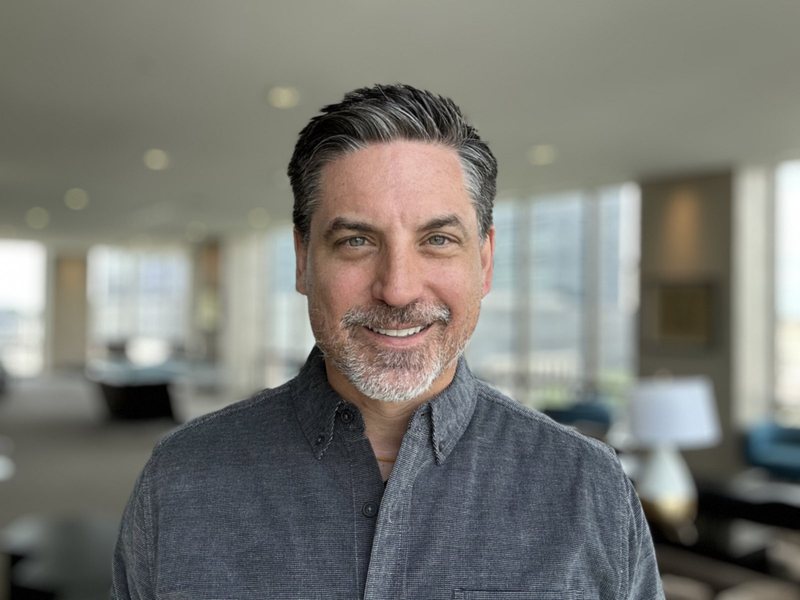
Founded a Lean/Agile software agency in 2003, led it through five consecutive years on the Inc. 500/5000 list, and exited via acquisition in 2013. The work draws on building a leadership team from the inside, not on theory.
Certified in Scaling Up, Metronomics, the Predictive Index, and exit planning (CEPA), with Lean/Agile roots and Flow Research Collective training. The right tool gets fitted to the company, not the company to the tool.
A decade as CEO of the agency, then fractional CEO and COO roles for high-growth businesses, then a coaching practice built on dozens of founder-CEO engagements. Every stage of the climb is familiar ground.
LEADERSHIP360 runs ninety days start to finish, in five stages. Each stage produces something the next one uses: a clear read on the team, decisions about roles and seats, and a plan the group owns.
CEO interviews establish where the business is going and what the strategy will demand of your leaders. The work starts with the plan, not the people, because a team can only be judged against what it needs to do. The output is a clear picture of the leadership capabilities the next stage requires, and the gaps that matter most.
Every leader completes behavioral and cognitive assessments, including the Predictive Index, covering leadership style, growth readiness, and team dynamics. Each one also sits for a confidential one-to-one. Together these build an objective read on every leader, one that replaces accumulated impressions and office politics with evidence the whole team can see.
Team composition gets measured against the strategy, so capability, fit, overlap, and gaps become visible together. Each leader's strengths get matched to the objectives the business is actually pursuing, whether that is expansion, innovation, operational discipline, or exit preparation. The result shows which seats are filled well and which ones need to change.
Role scorecards get built for every key seat, with metrics, performance criteria, and decision rights. Gaps and overlaps get resolved on paper before they cause problems in practice. Authority levels are set explicitly, so leaders know what they own and the business stops routing every decision back to you. Accountability becomes something you can measure.
Structural changes and role transitions get facilitated, not announced, which is what makes them hold. Leaders get individual coaching on new expectations and development areas, and you get coaching through the changes too. A measurement cadence keeps the new structure in place after week twelve, so the team does not slide back into old habits.
These are leaders who came out of this work with a team that runs without them in the middle of every decision. It spans technology, healthcare, financial services, and law.
"His approach created a safe space for addressing difficult topics, allowing us to have candid, necessary discussions that strengthened our alignment as a leadership team."
"The role scorecard framework alone has eliminated endless ambiguity about roles and responsibilities."
"We needed to get much more focused and structured around roles, responsibilities, and expectations if we were going to scale sustainably."
"The organizational design sessions have helped me build the right team structure to support our growth trajectory."
"Equally valuable were the team exercises that helped us understand each other's working styles and communication preferences, leading to significantly improved collaboration."
"Role clarity, scorecards, getting the right people into the right seats. That is where strategy either holds or falls apart, and it is the part most sessions never reach."
The answers are straight, including the ones about fit, cost, and time commitment. If a question is not covered here, bring it to the strategy call and it gets a straight answer there too.
LEADERSHIP360 is a 90-day program for founder-CEOs who need their leadership team to carry more of the business. Behavioral and cognitive assessments plus a confidential one-to-one with each leader build an objective read on the team, which then gets measured against what the strategy actually requires.
It fits founder-led companies past the startup stage, where managers are already in the seats and the founder has quietly become the bottleneck on everything that matters.
Executive coaching develops one leader at a time, which is what NEXTLEVEL does. LEADERSHIP360 assesses and aligns the whole team against your strategy, using objective data rather than accumulated impressions.
The right people in the right seats, chosen on evidence rather than instinct or tenure. Decisions stop routing through you, and accountabilities get specific enough to measure.
Investment depends on the size of your leadership team and the scope of the work. Engagements work with teams of five to 15 senior leaders. Fit, scope, and numbers all get covered on the strategy call.
90 days start to finish, across five stages. Implementation support carries to week twelve, so the structural changes happen inside the engagement rather than after it.
Both. Every member of the leadership team completes the assessments and sits for a confidential one-to-one, and you get individual coaching through the changes that follow. For one-to-one coaching that continues after the 90 days, NEXTLEVEL is the companion program.
Behavioral and cognitive tools, including the Predictive Index, selected to fit your team and the specific seats being evaluated.
A few hours per leader spread across the 90 days, plus your own time in the strategic review at the start and through implementation at the end.
That is common. The Team Readiness Assessment gives you a structured read on where the team stands in about ten minutes, and a strategy call covers the same ground in conversation.
Leadership team development is a recurring theme in the Inc.com column and on the blog. These pieces go deeper on team composition, role clarity, accountability, and the decisions that shape a leadership team as the company grows. Read more in the Inc.com column and on the blog.

A two-week absence test shows whether founder dependence is a staffing gap or your own need to be needed.
Read the article
The biggest performance gap comes from capable people in roles that do not match the company's current stage.
Read the article
Four conversational roles a team needs to decide well, and the one most leadership teams leave empty.
Read the articleWhen no one knows who owns a decision, it stalls. A five-stage approach ends the bottleneck without chaos.
Read the postPeers avoid calling out peers, so every accountability conversation ends up routing through the CEO.
Read the post
Most leadership teams judge decisions by outcomes. Hindsight bias makes that judgment worse, not better.
Read the postBring where your team is now and where you are trying to take the business. The call covers whether LEADERSHIP360 is the right next step, and if it is not, what is. It is a working conversation, not a pitch.
Fill out a short form to request a strategy call. It takes a couple of minutes, and there is no screening call in front of it. Bring the problem that is loudest right now, whether that is a leader who has outgrown the seat, a team that waits on you for every decision, or growth the current structure cannot carry.
You get a few specific questions ahead of time, so the call opens on the actual problem instead of thirty minutes of orientation. Short answers are enough, and rough notes work fine. The point is to arrive with the real situation on the table: who is on the team, what is working, and where things keep getting stuck.
You work the topic directly on video. Expect to be pushed on your reasoning: that pressure is the point. The conversation tests what you believe about your team against what the evidence says, and it surfaces the questions that keep getting put off. The goal is a sharper read on the problem before the call ends.
You get a written follow-up with a read on the problem, what to do first, and the concrete next steps. If LEADERSHIP360 is the right fit, the follow-up says so and explains why. If it is not, it says what is, whether that is NEXTLEVEL or another program. Either way, you leave with something useful, and there is no obligation on either side.