A Vision the Team Shares
A clear 10-year vision and a three-year target the whole leadership team can state, not just the founder. It gets built in the room with them, so people use it to make decisions.
ROADMAP12: Strategic Planning Program
ROADMAP12 is a twelve-month strategic planning program for founder-CEOs of growth-stage companies. It opens with a three-day strategy intensive and turns scattered priorities into a 12-quarter roadmap your leadership team runs every week.
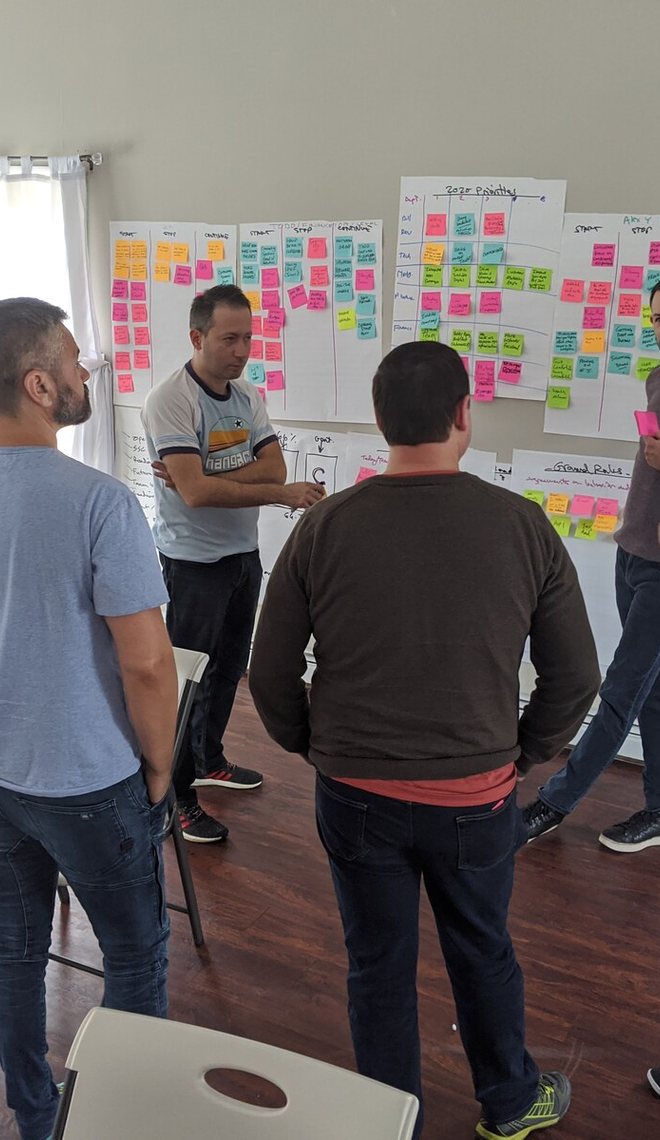
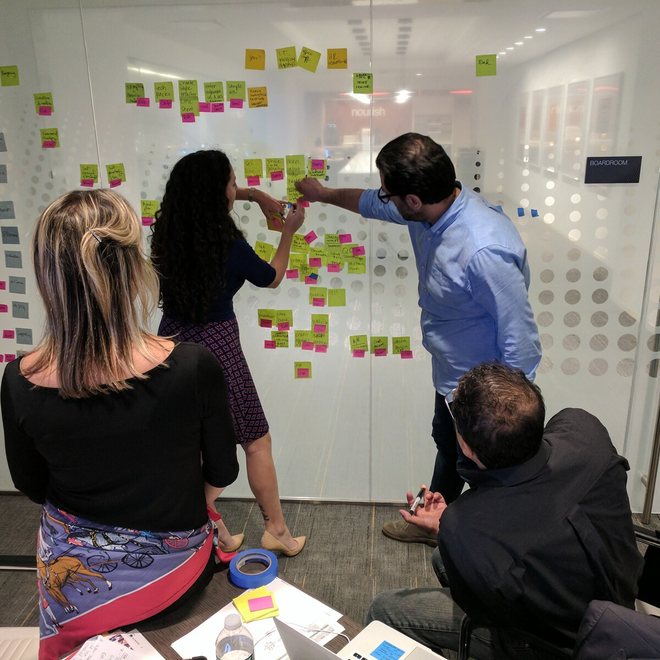
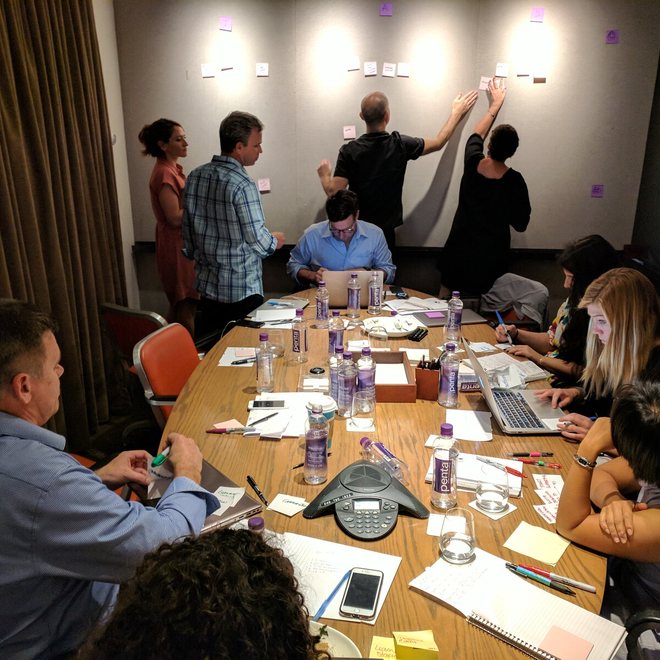
ROADMAP12 is a strategic planning program that turns scattered priorities into a plan the leadership team runs, not a document it files. It is the core program in the Clarify Your Strategy stage.
A clear 10-year vision and a three-year target the whole leadership team can state, not just the founder. It gets built in the room with them, so people use it to make decisions.
A defined core customer and a sharp competitive position, so the company stops competing on everything. The harder half is naming what you are willing to be average at.
Twelve quarters of initiatives, milestones, and measurable priorities, built backward from the three-year target. Every priority carries an owner and a number.
A leadership survey and a one-to-one prep call with every leader map the real issues first, so the three days in the room start from evidence rather than opinion.
Quarterly planning sessions and mid-quarter check-ins update the roadmap as the market moves, so the plan stays current instead of going back on the shelf.
The plan is built by the leadership team in the room, which is why the team runs it. Priorities carry owners, and accountability stops routing back through you.
ROADMAP12 is built for the founder-CEO at a growth inflection point who is tired of strategy that does not stick. None of that means the strategy was wrong. More often it means nothing was ever built around it to keep it running.
The team chases too many things at once, and the few that matter never get the focus they need to move. Every quarter starts with a long list and ends with most of it half done. The problem is not effort. It is the absence of a small set of priorities everyone agrees outrank the rest.
You went through a planning process, filled a document, and then the business went back to running on instinct. The plan never became how the company operates. Nobody opens it, and the next planning session starts from scratch rather than from progress.
Ask five leaders for the top three priorities and you get five different lists. Without a shared plan, effort pulls in different directions and every cross-functional decision turns into a negotiation. The founder ends up as the tiebreaker on all of it.
In a crowded market you try to win on every dimension and stand out on none of them. Pricing pressure grows, the sales cycle gets longer, and the team cannot say in one sentence why a customer should choose you. You need a sharp position and a core customer to build around.
The business is scaling past the point where a few people in a room could hold the plan in their heads. What worked at a smaller size now creates confusion and rework. You need a systematic way to set direction and execute that keeps pace as the company grows.
There is no number the leadership team watches together, so whether the company is on track depends on who you ask. Problems surface late, usually after a quarter is lost. A plan with measurable priorities turns that argument into a review of the facts.
Every growing company is strong in some areas and exposed in others, and no two look the same. The Growth Readiness Assessment scores yours on 24 short statements across the six drivers of scaling, so you can see which ones are holding and which are quietly capping your growth. It takes about ten minutes, and your scores appear the moment you finish.
A sample leadership team of six, with each driver scored out of 40. Each thin line is one leader's scores, and the red line is the team average. Where the lines spread apart, the team sees that driver differently, and that gap is often where the real constraint sits.
A clear purpose, values, and long-term goal that guide every decision. Concrete enough that people use them to make hard calls.
The right people in the right seats, developed and held accountable. Every role carries a scorecard with responsibilities and KPIs.
A differentiated strategy everyone can state and sell, including who the core customer is and what makes the company different.
Documented processes, clear metrics, and steady improvement. Core processes are written down and followed the same way everywhere.
Healthy cash flow, clean books, and disciplined forecasting. The month closes fast enough that the numbers are still useful.
Goals, priorities, and rhythms that keep everyone aligned each quarter: an annual plan, 90-day goals with owners, and quarterly reviews.
When strategy becomes a system, the payoff shows up in two places at once. Over twelve months, ROADMAP12 changes how the company executes, and it changes your job as founder-CEO along with it.
A vision and three-year target the whole leadership team can state, so the company pulls in one direction instead of several at once.
A defined core customer and a clear point of difference, so you win on what matters to buyers instead of competing on everything.
Twelve quarters of initiatives with owners and numbers, so strategy turns into action every quarter rather than staying in a document.
Every leader knows the top priorities and who owns them. Ask any two leaders what matters this quarter and you get the same answer.
A quarterly and weekly cadence keeps the plan alive and visible, so it gets run every week instead of filed and forgotten after the offsite.
You lead from a plan the team runs, instead of holding every priority in your head and chasing each one personally through the quarter.
The strategy becomes a filter for every yes and no, so choices get faster and cleaner and fewer of them need to come to you at all.
Leaders hold each other to the plan they built together, so accountability stops routing through you and starts living in the team.
A short list of priorities that move the business, protected even when the urgent arrives and tries to take over the week again.
Quarterly planning keeps the strategy current as the market moves, so you adjust on purpose instead of reacting when something breaks.
ROADMAP12 was created by Bruce Eckfeldt, a strategic business coach for founder-CEOs of mid-market growth companies. He designed the program from what it took to set direction and run a plan while scaling an Inc. 500 company to its exit in 2013.
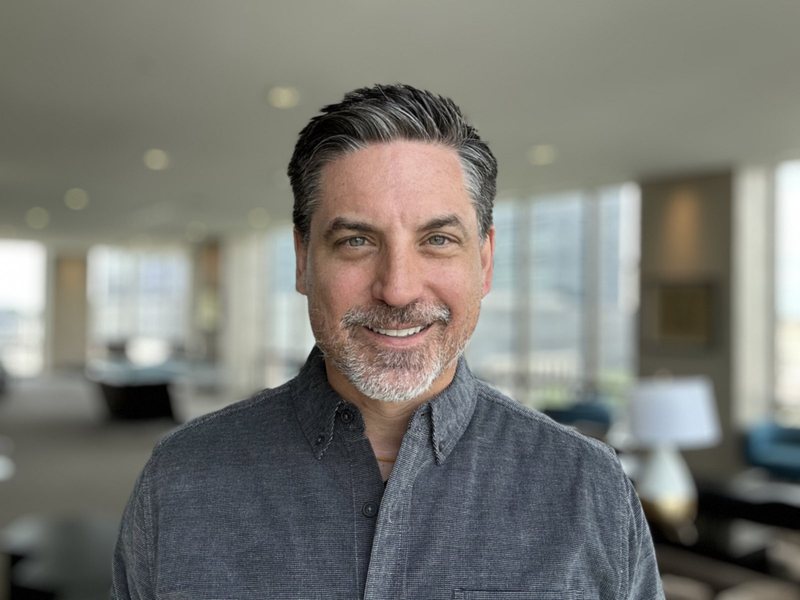
Founded a Lean/Agile software agency in 2003, led it through five consecutive years on the Inc. 500/5000 list, and exited via acquisition in 2013. The work draws on building a leadership team from the inside, not on theory.
Certified in Scaling Up, Metronomics, the Predictive Index, and exit planning (CEPA), with Lean/Agile roots and Flow Research Collective training. The right tool gets fitted to the company, not the company to the tool.
A decade as CEO of the agency, then fractional CEO and COO roles for high-growth businesses, then a coaching practice built on dozens of founder-CEO engagements. Every stage of the climb is familiar ground.
ROADMAP12 runs twelve months and starts well before the offsite. Seven weeks of discovery mean the three days in the room begin from evidence, and the quarterly rhythm after it turns the plan into how the leadership team operates.
The program structure and timeline, the team roster and roles, and a review of the strategy and planning materials you already have. Nothing gets thrown away that is still useful. The kickoff sets what the intensive needs to decide, so the discovery work that follows asks the right questions of the right people.
A diagnostic survey across strategy and culture that maps the issues and obstacles the leadership team is actually carrying. Every leader answers on their own, so the results show where the team agrees and where it quietly does not. That picture shapes the agenda for the three days in the room.
A one-to-one call with each leader to dig into what the survey surfaced, understand their role and strengths, and hear what they will not say in a group. By the time the team walks into the intensive, the hard topics are already known and the session can spend its time deciding rather than discovering.
Three facilitated days with the full leadership team. Day one sets the foundations: purpose, values, and the 10-year vision. Day two builds the strategy: core customer, positioning, and the three-year target. Day three turns it into the twelve-quarter roadmap, with owners and measurable priorities for the first quarter.
Quarterly planning sessions, mid-quarter check-ins, and next year's intensive keep the plan live rather than filed. Each quarter opens with a review of what moved and what did not, then resets the priorities. By the end of the year the team is running the plan without you pushing behind every project.
These are founders and leadership teams that took strategic planning from a document into execution. The pattern is the one ROADMAP12 is built on: a clear plan the team actually runs.
"Bruce quickly established trust with our team, brought a clear framework that we could work from and then stepped us through the key steps of strategy development."
"Thanks to Bruce's guidance, our leadership team is now on the same page, operating with a clear and actionable strategic plan."
"One of Bruce's greatest strengths lies in his ability to help leadership teams articulate a clear and actionable strategy."
"Bruce has served as a great external strategy partner, coaching on big picture goals and tactical execution."
"He demonstrated a masterful ability to engage senior-level staff, guiding our team through critical topics like long-term strategic planning with ease and expertise."
"He kept us accountable and informed on how to embed the 3HAG process into our day to day and strategic planning process."
The answers are straight, including the ones about fit, cost, and format. If a question is not covered here, bring it to the strategy call and it gets a straight answer there too.
ROADMAP12 is a twelve-month strategic planning program for founder-CEOs. It opens with a three-day strategy intensive and continues as a rhythm of quarterly planning. You finish the intensive with a 10-year vision, sharp positioning, and a 12-quarter roadmap, and the year that follows turns it into a system your leadership team runs rather than a document you file.
An offsite usually ends with a document and good intentions. ROADMAP12 wraps the three-day session in discovery before and an execution rhythm after, so the plan gets built on evidence and then actually gets run.
That is the whole design. The roadmap turns into quarterly priorities and a weekly cadence, and the implementation support keeps it live and updated, so it does not go back on the shelf.
Founder-led companies at a growth inflection point, with a leadership team in place and priorities that have gotten scattered. It works best when the team is willing to debate honestly and commit to disciplined execution.
A shared vision and three-year target, a defined core customer and differentiation, a 12-quarter roadmap with measurable priorities, and a leadership team aligned and executing without every call routing through you.
Investment depends on how you engage. There are two paths, and both begin with the three-day strategy intensive. You can take the intensive on its own, or the full twelve-month engagement with quarterly planning and implementation support. A strategy call covers fit, scope, and numbers, so everything is clear before you commit.
Twelve months. About seven weeks of discovery, then the three-day strategy intensive with your leadership team, then quarterly planning sessions and mid-quarter check-ins through the rest of the year, closing with next year's intensive.
Yes. The intensive is built around the leadership team in the room, because a plan the team builds together is the plan the team will run. If the team itself needs work before it can run a plan, LEADERSHIP360 is the companion program.
Because most planning stops at the document. ROADMAP12 is built around execution, with the discovery, cadence, and accountability that turn the plan into how you operate. A strategy call is the fastest way to see whether it fits your situation.
Strategy and planning are a recurring theme in the Inc.com column and on the blog. These pieces go deeper on the difference between goals and strategy, the planning mistakes that block execution, and the quarterly rhythm that keeps a plan alive. Read more in the Inc.com column and on the blog.

Goals without a strategy go nowhere. Strategy defines the path that gets you to the goal.
Read the article
The common strategic planning mistakes that block clear execution, and how to avoid them.
Read the article
A disciplined quarterly planning process aligns the team and speeds up strategic execution.
Read the article
Most teams think strategically. Few act strategically, and the gap is where they quietly fail.
Read the postChasing agreement from everyone slows execution. Clear decision rights beat unanimous agreement every time.
Read the postLeaders optimize for their own metrics, everyone hits their numbers, and the company still underperforms.
Read the postBring where the company is now and where you are trying to take it. The call covers whether ROADMAP12 is the right next step, and if it is not, what is. It is a working conversation, not a pitch.
Fill out a short form to request a strategy call. It takes a couple of minutes, and there is no screening call in front of it. Bring the problem that is loudest right now, whether that is a plan nobody follows, a team pulling in different directions, or growth the current way of planning cannot keep up with.
You get a few specific questions ahead of time, so the call opens on the actual problem instead of thirty minutes of orientation. Short answers are enough, and rough notes work fine. The point is to arrive with the real situation on the table: where the company is going, what is working, and where execution keeps stalling.
You work the topic directly on video. Expect to be pushed on your reasoning: that pressure is the point. The conversation tests what you believe about your strategy against what the evidence says, and it surfaces the questions that keep getting put off. The goal is a sharper read on the problem before the call ends.
You get a written follow-up with a read on the problem, what to do first, and the concrete next steps. If ROADMAP12 is the right fit, the follow-up says so and explains why. If it is not, it says what is, whether that is LEADERSHIP360 or another program. Either way, you leave with something useful.