A Future You All Share
Each partner names what they want from the business privately, before anyone else hears it. The shared version gets written down, and quiet differences surface while they are cheap to resolve.
ALIGN90: Partnership Coaching Program
ALIGN90 is 90-day partnership coaching for business partners whose arrangement was built on trust and never written down. It turns the informal understanding into a working structure for vision, roles, money, and decision rights.
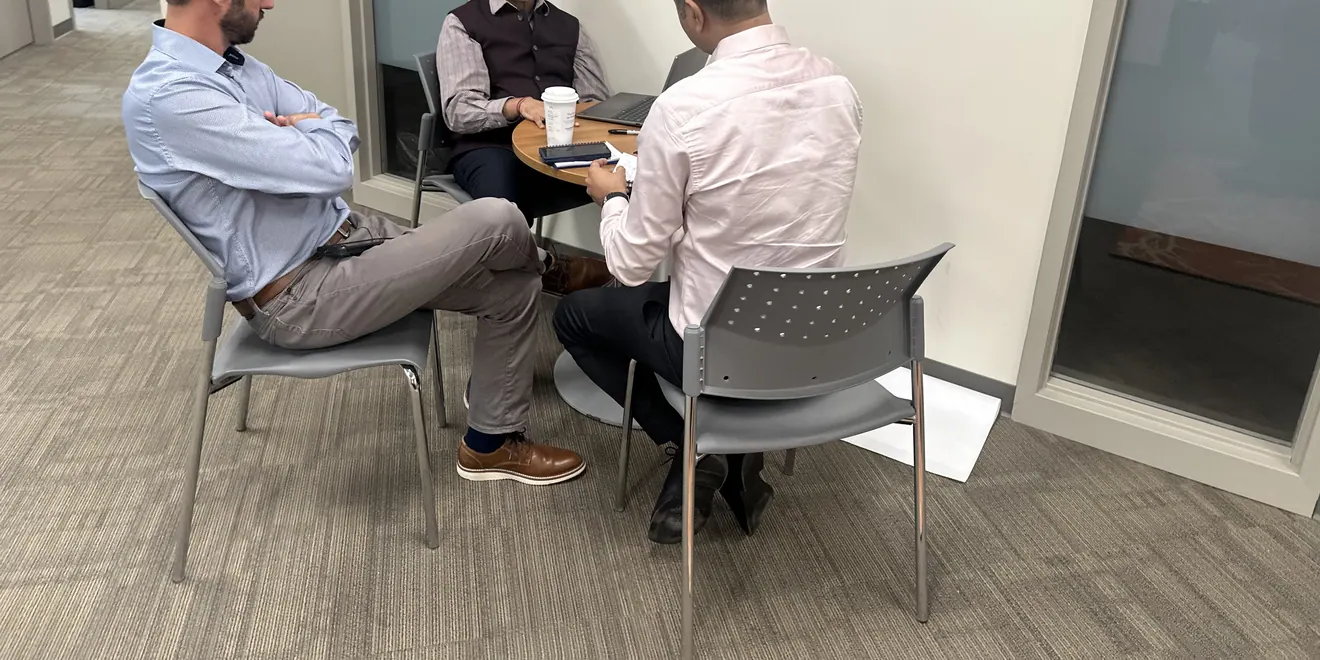
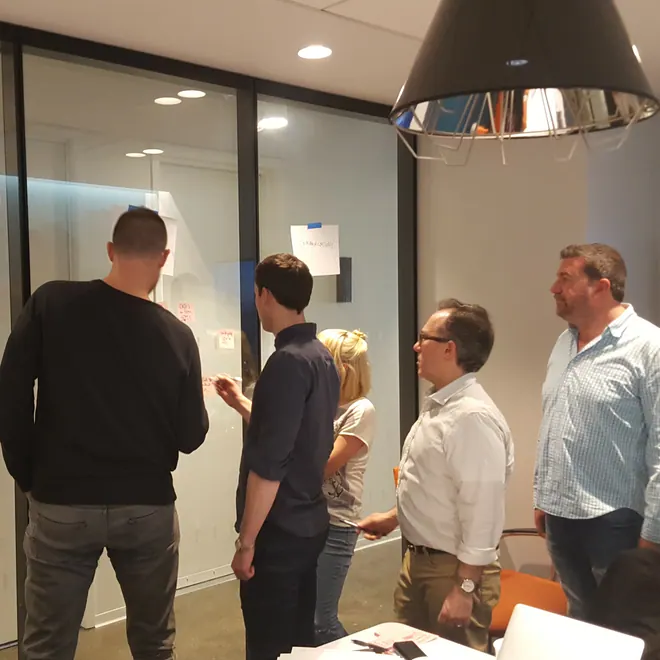

ALIGN90 is a partnership coaching program that puts the partnership in writing while everyone is still aligned. The output is an operating agreement an attorney can formalize, plus the protocols that keep it alive.
Each partner names what they want from the business privately, before anyone else hears it. The shared version gets written down, and quiet differences surface while they are cheap to resolve.
Who owns which part of the business, who decides what alone, and what needs everyone. Written as a working structure rather than titles, so the next hard call already has an answer.
Equity, capital contributions, distributions, and what happens if one partner wants out. Buy-sell terms get set while everyone is aligned, the only point at which they can be agreed fairly.
Every partner gets a confidential session before any joint work, so nobody walks into a room to be confronted and nothing reaches the group that has not been surfaced privately first.
The joint sessions produce negotiated terms and a drafted agreement, so lawyers end up documenting decisions the partners made together rather than making those decisions for them.
A set cadence and a real agenda for the partners, with decision protocols in place, so issues surface early and small instead of building quietly until one of them breaks open.
ALIGN90 is built for partners who get along and intend to keep it that way. Usually the business is working and nothing is on fire. What is missing is a written answer to the questions nobody has needed to ask yet.
The terms were agreed verbally and early, when the business was small. Nothing has been written down since, and the company is a great deal bigger now. The understanding everyone is relying on exists only in memory, and memories of a handshake drift apart over time.
Decisions stall because no one is certain who holds the authority. What gets decided depends on who pushes hardest in a given week, and the partner who backs down this time remembers it. Over a few years that pattern does more damage than any single bad decision.
The work each partner carries no longer matches the equity or the pay. Everyone has noticed, nobody has said it, and the silence is doing more damage than the imbalance itself. It surfaces eventually, usually at the worst possible time and in the worst possible way.
If a partner wanted out tomorrow, nobody knows what the stake is worth, how it would be valued, or who would fund the buyout. That question is easy to answer while everyone is aligned and almost impossible to answer fairly once someone actually wants to leave.
Someone is joining or buying in, and the structure they are joining has never been defined. Their terms get negotiated against an arrangement that exists only in the founders' heads, which sets up the next disagreement before the new partner has even started.
A raise, an acquisition, or a new market is coming. Arrangements that held at the current size will not survive the next one, because more money and more people put pressure on every unspoken assumption. Settling the terms first is cheaper than settling them under strain.
The work pays off in two places at once. The partnership gets a structure that settles hard questions without a fresh negotiation every time, and each partner knows exactly where they stand.
Equity, capital, distributions, buy-sell, and dissolution set down in one document an attorney can formalize, before anyone needs them.
Every category of decision has a named owner and a threshold, and deadlock gets a defined way out instead of going to whoever holds out longest.
Each partner has a defined remit, so two people stop covering the same ground while another area goes unowned, and accountability is possible.
How money moves through the partnership is agreed in advance, covering pay, reinvestment, and distributions, so none of it is a negotiation.
The partners meet on a set cadence with a real agenda, so issues surface early and small instead of building quietly until something breaks.
Your equity, your role, your authority, and your exit terms are all written down, so nothing important about your position rests on goodwill.
The program opens with a confidential session for each partner, so raising it means proposing a process rather than accusing anybody of anything.
What you have been carrying quietly gets named in a structured setting, where it lands as input to a design rather than as a complaint about someone.
Once the terms are set, the hard discussions have already been had, and what is left is running the business rather than renegotiating its basis.
If your plans change in five years, the terms for leaving already exist, agreed at a point when nobody had any reason to argue about them.
ALIGN90 was created by Bruce Eckfeldt, a strategic business coach for founders and their partners. He designed the program from what it took to run a growing company with partners and from years of facilitating leadership groups.
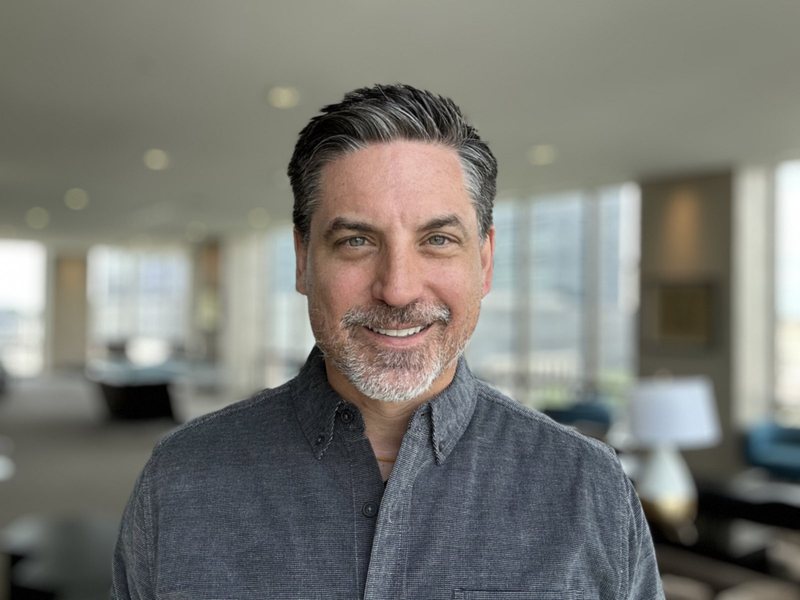
Founded a Lean/Agile software agency in 2003, led it through five consecutive years on the Inc. 500/5000 list, and exited via acquisition in 2013. The work draws on building a leadership team from the inside, not on theory.
Certified in Scaling Up, Metronomics, the Predictive Index, and exit planning (CEPA), with Lean/Agile roots and Flow Research Collective training. The right tool gets fitted to the company, not the company to the tool.
A decade as CEO of the agency, then fractional CEO and COO roles for high-growth businesses, then a coaching practice built on dozens of founder-CEO engagements. Every stage of the climb is familiar ground.
ALIGN90 runs in three phases of roughly thirty days each. It starts with each partner on their own, moves to structured sessions with everyone in the room, and finishes with the agreements formalized and tested.
A confidential one-to-one with each partner covering objectives, concerns, expectations, and non-negotiables. Partnership dynamics get assessed and the alignment gaps get identified before anyone sits down together, so nothing reaches a joint session that has not been surfaced privately first.
Structured sessions on vision, roles, financial frameworks, decision authority, and how disagreements get resolved, including the hard conversations about exit expectations, equity, compensation, and lifestyle priorities. The sessions end in a negotiated set of terms and a drafted agreement.
The agreements get formalized with legal review, and the decision protocols and meeting cadence get put in place. Then the framework is tested against real business decisions while there is still support around it, so the partners leave with a structure that has already worked once.
Partnership work is the least public of these engagements, because what gets settled inside it is private. These voices come from co-founders, co-presidents, and partners describing the same underlying job.
"Bruce's ability to facilitate critical discussions helped us clarify our overarching vision and align on a unified strategy."
"His facilitation skills are equally impressive, fostering an environment of collaboration and buy-in, which is crucial for aligning our team around a shared vision."
"If you're looking for someone to facilitate and moderate a critical set of meetings with passionate people, Bruce is the best person I know."
"Bruce is a well-rounded, focused facilitator with a keen ear for identifying issues and the patience to help a team work through hard conversations."
"He fosters respect, facilitates productive discussions, and ensures that diverse perspectives are considered during decision-making processes."
"His ability to facilitate meetings with diverse perspectives was nothing short of impressive."
The answers are straight, including the awkward ones about how to raise it and what happens if not everyone is on board. If a question is not covered here, bring it to the strategy call.
ALIGN90 is a 90-day partnership coaching program that turns an informal business partnership into a structured one. It runs in three phases. Confidential one-to-one sessions with each partner, then facilitated joint sessions covering vision, roles, money, and decision authority, then formalizing the agreements and testing them against real decisions. The output is a working structure and a written agreement, not a report.
No, and it works best when you are not. ALIGN90 is proactive structure, done while the relationship is good and nobody has anything to defend. Mediation starts after something has broken and the job becomes damage control. This starts from the opposite assumption, that everyone wants the partnership to work and the only thing missing is a written answer to questions nobody has needed to ask yet.
Propose the process, not a problem. The program opens with a confidential one-to-one for each partner, so nobody walks into a room to be confronted and no single person sets the agenda. Framed that way it reads as putting the partnership on a professional footing before growth tests it, which is what it actually is. Most engagements start with one partner raising it in exactly those terms.
That reaction is worth understanding before pushing on it. Usually the resistance is about what the suggestion implies rather than the work itself, and it eases once the confidential first phase is clear. If a partner still will not engage, the program does not proceed, because a structure agreed to by some of the partners is worse than none at all. A strategy call is the right place to work out which situation you are in.
Yes, at the end. The joint sessions produce negotiated terms and a drafted agreement covering equity, capital, distributions, buy-sell, and dissolution. An attorney formalizes that in the final phase. The point of running it in this order is that lawyers end up documenting decisions rather than making them, which is faster, costs less, and produces an agreement the partners actually understand.
Often more useful. Most agreements were drafted at formation from a template, and they cover ownership and dissolution while saying almost nothing about how the partnership runs day to day. Decision rights, role boundaries, pay, and meeting rhythm are usually missing entirely. The existing document becomes the starting point for the work rather than the finish line.
Ninety days, roughly thirty per phase, with pacing that flexes to real calendars. The first phase is one confidential session per partner. The joint phase is the heaviest and needs everyone present and honest, because that is where the terms get negotiated. The final phase is lighter, covering legal review and putting the decision cadence into practice.
Investment depends on the number of partners and the scope of the work, and it is a fixed fee for the ninety days rather than an hourly arrangement. Ongoing support is available afterward for partnerships that want a standing rhythm. Fit, scope, and numbers all get covered on the strategy call, so the full picture is on the table before anything is committed.
It changes the shape more than the length. Each additional partner adds a confidential session and another set of expectations to reconcile, and it makes decision rights more important rather than less, because three-way partnerships deadlock in ways two-way ones do not. The program is built to handle it, and the scope gets set on the call.
Partnerships and how senior people disagree well are recurring themes in the Inc.com column and on the blog. These pieces go deeper on structure, decision rights, and productive conflict. Read more in the Inc.com column and on the blog.

Partnerships last when shared values, fair equity, clear roles, and decision rules are defined early.
Read the article
Constructive conflict, guided by clear rules and trust, fuels innovation and stronger decisions.
Read the article
Teams that engage in constructive debate outperform those that avoid conflict.
Read the article
When no one knows who owns a decision, it stalls. A five-stage approach ends the bottleneck without chaos.
Read the post
Chasing agreement from everyone slows execution. Clear decision rights beat unanimous agreement every time.
Read the post
When teams put politeness ahead of productive conflict, the real debates move to the hallway.
Read the postBring the partnership as it actually is, including the parts that were never written down. Coming on your own is normal, and nothing gets raised with your partners on the strength of one conversation. It is a working conversation, not a pitch.
Fill out a short form to request a strategy call. It takes a couple of minutes, and there is no screening call in front of it. Bring the problem that is loudest right now, whether that is terms that were never written down, a decision nobody owns, or a new partner who is about to join.
You get a few specific questions ahead of time, so the call opens on the actual problem instead of thirty minutes of orientation. Short answers are enough, and rough notes work fine. The point is to arrive with the real situation on the table: how the partnership started, what has changed since, and where the structure feels thinnest.
You work the topic directly on video. Expect to be pushed on your reasoning: that pressure is the point. The conversation tests what you believe about your partnership against what the evidence says, and it surfaces the questions that keep getting put off. The goal is a sharper read before the call ends.
You get a written follow-up with a read on the problem, what to do first, and the concrete next steps. If ALIGN90 is the right fit, the follow-up says so and explains why. If it is not, it says what is, whether that is LEADERSHIP360 or another program. Either way, you leave with something useful.