34: Earnouts, Exit Fatigue, and Valuation Games: A Founder’s Guide to Surviving M&A
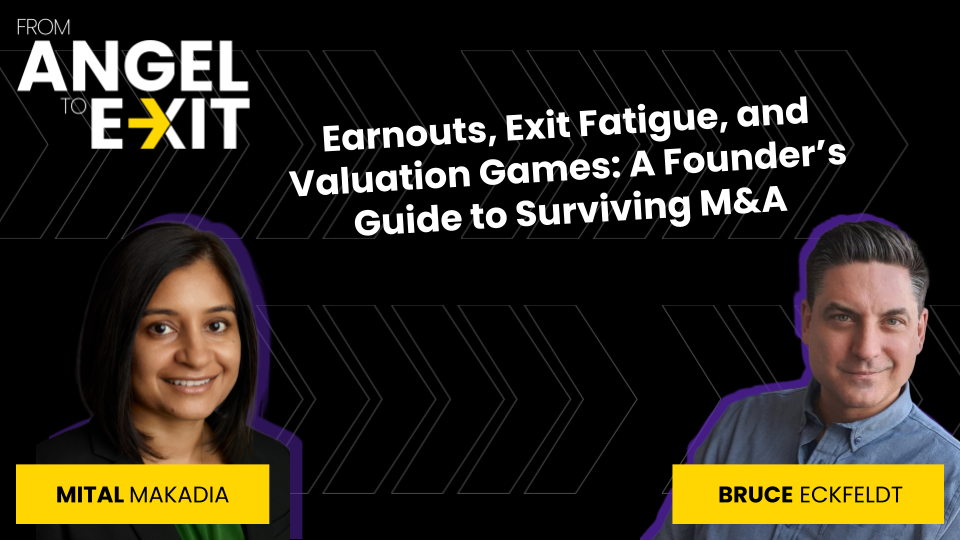
Mital Makadia, Partner, Grellas Shah
In this candid and insight-packed episode, Bruce Eckfeldt sits down with Mital Makadia, Partner at Grellas Shah, to unpack the hard truths behind startup exits and the legal pitfalls founders often overlook. With 20+ years of experience—15 of which are focused on startups in the Bay Area—Mital brings a wealth of M&A, funding round, and corporate governance wisdom tailored for growth-stage founders navigating scale and sale.
She outlines the crucial differences between early funding rounds—like how Series A provides scale capital while Series C typically marks global expansion—and explains how many post-pandemic startups accepted “easy money” at unsustainable valuations, making future raises or exits extremely difficult.
A recurring theme: negotiation leverage is highest at the term sheet stage, yet many founders are fatigued, under-informed, or over-eager, leading them into traps like earnouts with no control, equity dilution, or poor strategic partnerships. Mital shares tactical advice on how to vet investors beyond the check size, why strategic investors with ROFRs (Right of First Refusal) can kill your next round, and how to maintain optionality by keeping buyer conversations warm early.
The conversation dives deep into earnout mechanics, from budget control to dispute rights, and highlights the importance of single-trigger acceleration and “resignation for good reason” clauses in any sale structure. Bruce and Mital also tackle the psychology of selling—how founders must balance optimism with realism and avoid desperation as a deal killer.
If you’re planning to scale or exit your company, this episode offers battle-tested frameworks and legal strategies to protect your upside, avoid retrades, and close your transaction on solid terms.
Key Takeaways
Early term sheet negotiations are where founders have the most leverage—maximize it.
Avoid taking high valuations early unless you're certain you can grow into them.
Strategic investors can block future funding rounds—vet motivations carefully.
Earnouts should be considered “gravy,” not guaranteed—negotiate control and budget.
Build in single-trigger acceleration and “good reason” resignation clauses.
Keep buyer relationships warm long before you plan to sell.
Founders often walk away quickly post-exit—plan earnout terms accordingly.
Don’t show desperation—buyers will use it to their advantage.
Contact Information:
Website: www.grellas.com
