
Founders Sabotage Their Own Exits, and It Looks Like Due Diligence
Six weeks from closing, the deal starts looking worse to the founder. Denise Logan shows why that is almost never about the deal, and what it costs when advisors treat the objection as real.

The Real Reason to Hire Has Nothing to Do with Growth
Dan Martell argues that founders hire for the wrong reason. The point of hiring is not to grow the business but to systematically remove the founder from work someone else could do better and cheaper.

Customers Buy Who You Are Before They Buy What You Sell
Jeb Blount argues that the most important variable in any sale is the person sitting across from the customer. For founder-CEOs, the behaviors that make customers buy from a specific person are trainable, not personality traits.

Friendly Reps Build Relationships. Challenger Reps Build Revenue.
Matt Dixon and Brent Adamson's research on thousands of B2B salespeople found that Challenger reps dramatically outperform Relationship Builders in complex deals. For founder-CEOs, the rep profile they default to hiring is the wrong one.

Sales Is Most of Your Job, Even When the Title Says Otherwise
Daniel Pink argues that selling is the work itself, not a specialty. For founder-CEOs of growth-stage companies, the old pitch-and-close playbook fails because buyers now have the same information sellers do.

Sales Performance Is a Self-Image Problem
Brian Tracy argues that the ceiling on sales performance is not technique but self-concept. For growth-stage CEOs, the lever for moving sales numbers sits inside how reps see themselves, not inside another training program.
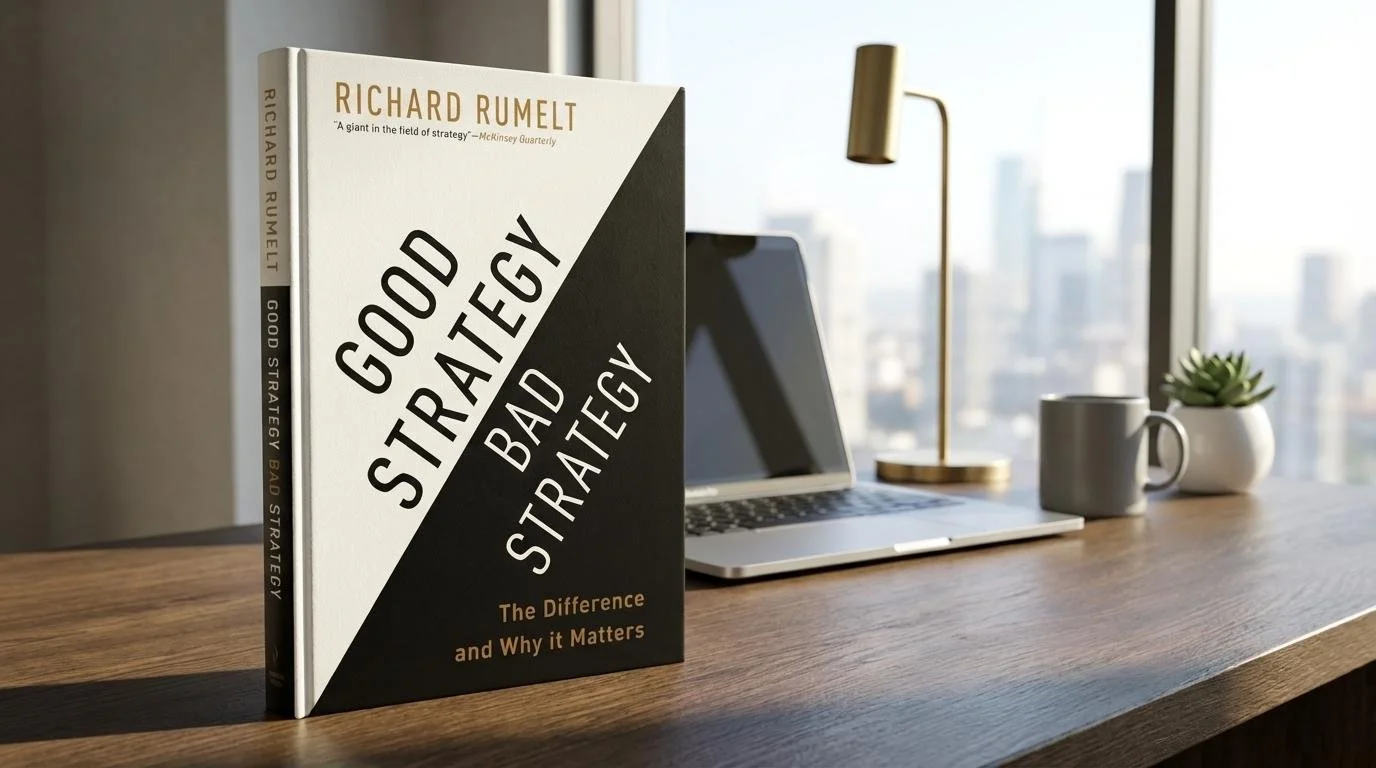
Having a Goal Is Not the Same as Having a Strategy
Most companies confuse goals and aspirations with actual strategy. Rumelt gives growth-stage CEOs a sharp framework for recognizing what real strategy looks like and why most leadership teams have never actually written one.

Positioning Is Not a Marketing Problem
Most growth-stage companies treat brand positioning as a marketing task. Whitler argues it is a C-suite strategic decision that determines where you compete, why customers choose you, and how much pricing power you can build.

The Number Isn't the Problem
Most CEOs think they lose on price. Melina Palmer argues the number rarely matters, because buyers have already made up their minds before they see it. What you do before the price gets revealed is what actually drives the decision.

The Reason Most Leaders Fail Has Nothing to Do With Skill
Most leadership failures aren't about skill or strategy. Lencioni argues that leaders who see their position as a reward quietly avoid the hardest parts of the job, and that avoidance is what breaks teams at growing companies.
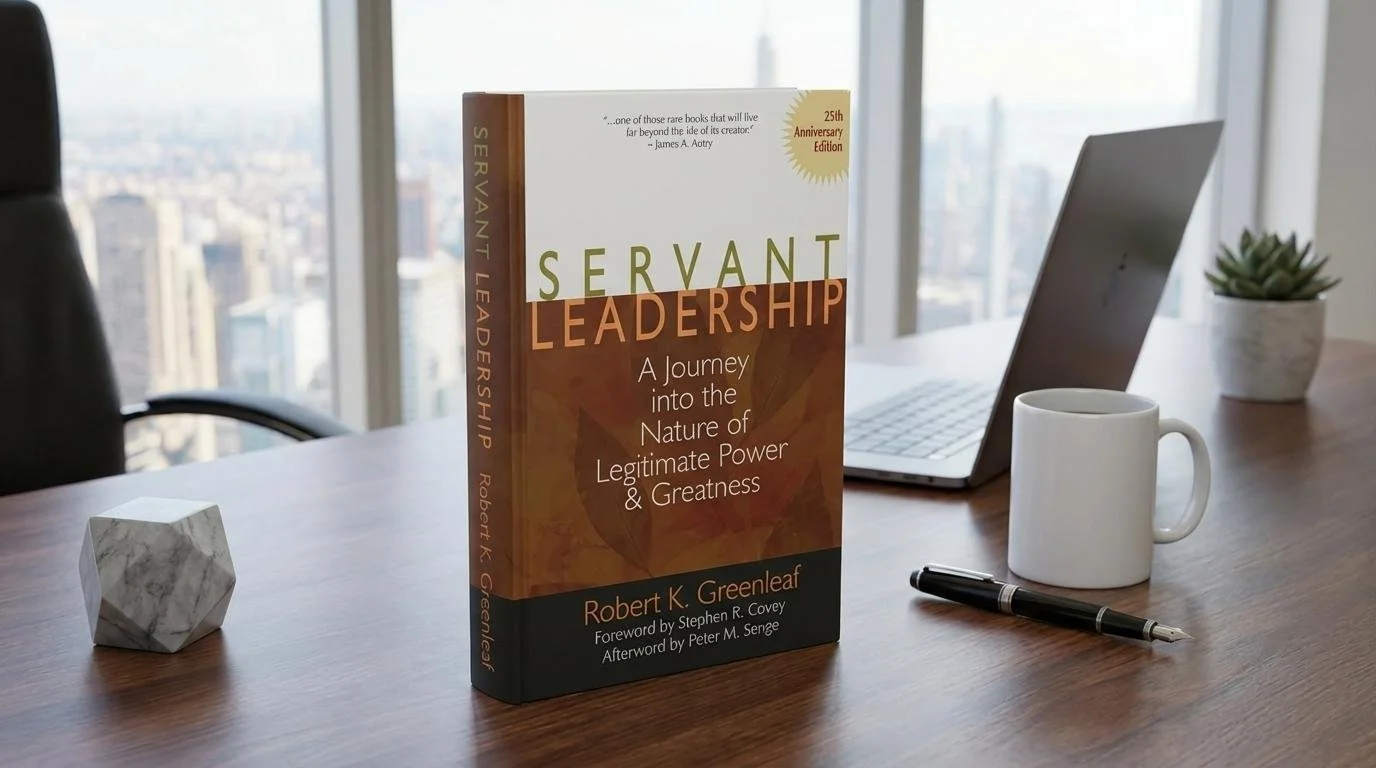
Leading by Serving Is Not a Soft Strategy
Robert Greenleaf's foundational work argues that the most effective leaders put the needs and growth of the people they lead ahead of their own authority. For growth-stage CEOs, this isn't idealism. It's the structural shift that breaks the bottleneck holding most companies back.
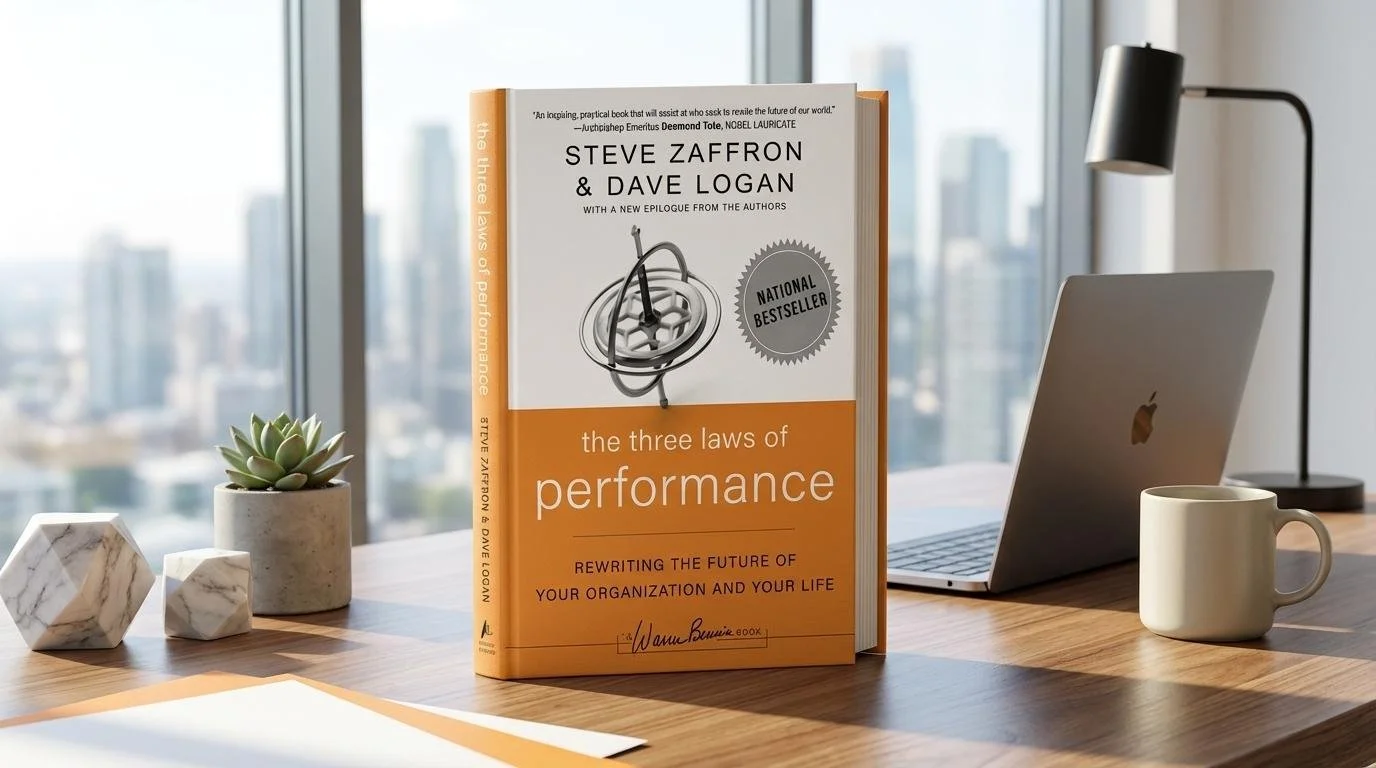
Performance Follows Perception, Not Plans
Performance problems in growing companies usually aren't execution failures. Zaffron and Logan show that how situations occur to your team determines what they do, and that language is the lever most leaders never touch.

The Real Reason Strategy Fails Has Nothing to Do with Strategy
David Maister's core argument is that strategy fails not because companies lack good ideas but because they lack genuine desire to change. For growth-stage CEOs, that reframe changes everything about how you plan, hire, and lead.
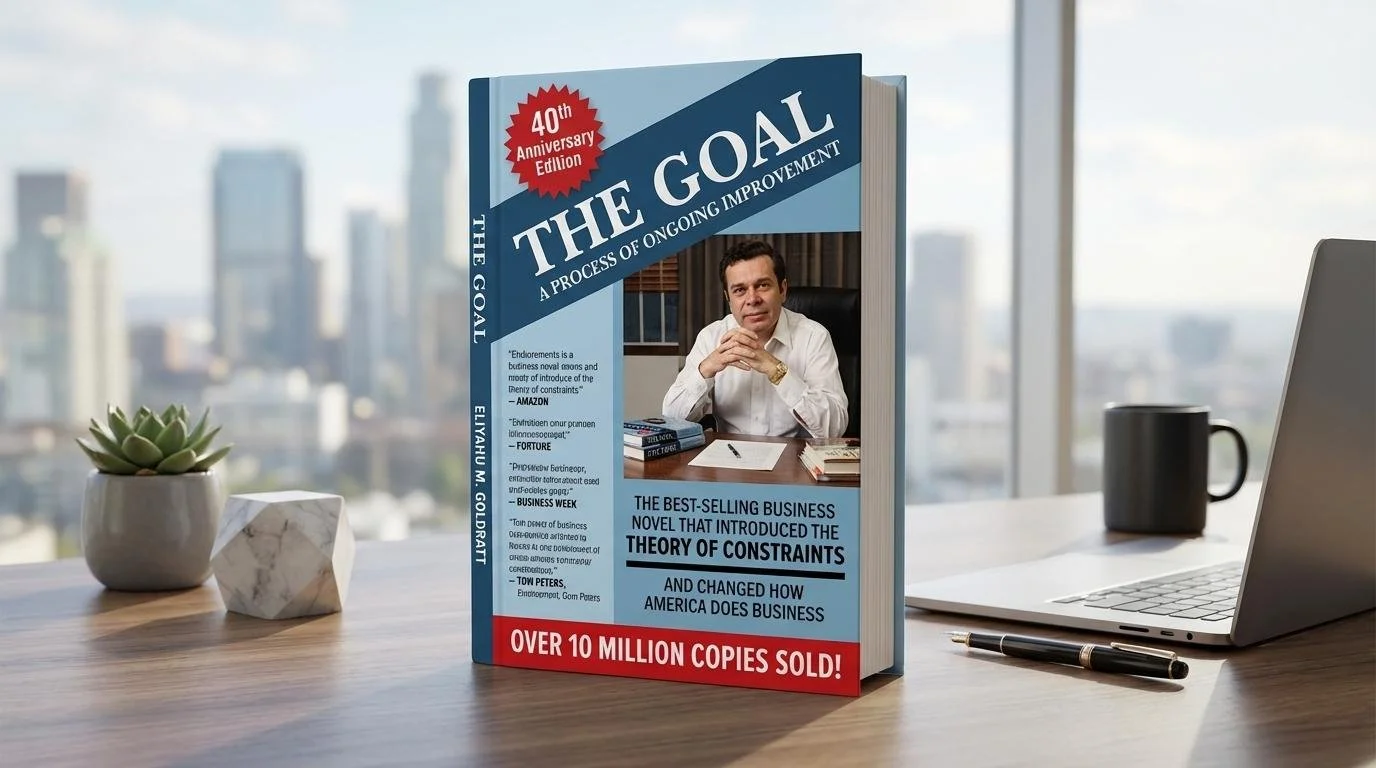
Your Company Has One Bottleneck. Everything Else Is a Distraction.
Goldratt's Theory of Constraints argues that every business has one bottleneck limiting total output, and improving anything else is wasted effort until you fix it. A must-read for growth-stage CEOs chasing results in the wrong places.

Your Competitors Already Know Your Next Move
Kaihan Krippendorff draws on ancient Chinese military strategy to show growth-stage companies how to build competitive advantages that opponents can't see coming. Conventional head-to-head competition is a losing game. The real edge comes from indirect moves made before the battle starts.

Your Annual Budget Is Lying to You
The annual budget is one of the most damaging rituals in business. Here's what Beyond Budgeting by Jeremy Hope and Robin Fraser says about why, and what growth-stage CEOs can do instead.