
Eckfeldt + Associates

Inc.com Column

The $1 Million Mistake I Made After Selling My Company

An earnout can turn part of a sale into years of work toward targets controlled by the buyer. Base your decision on the cash paid at closing, then limit any remaining payout to measures you can influence and protections documented in writing.

By Bruce Eckfeldt

Published on Inc.com, July 6, 2026

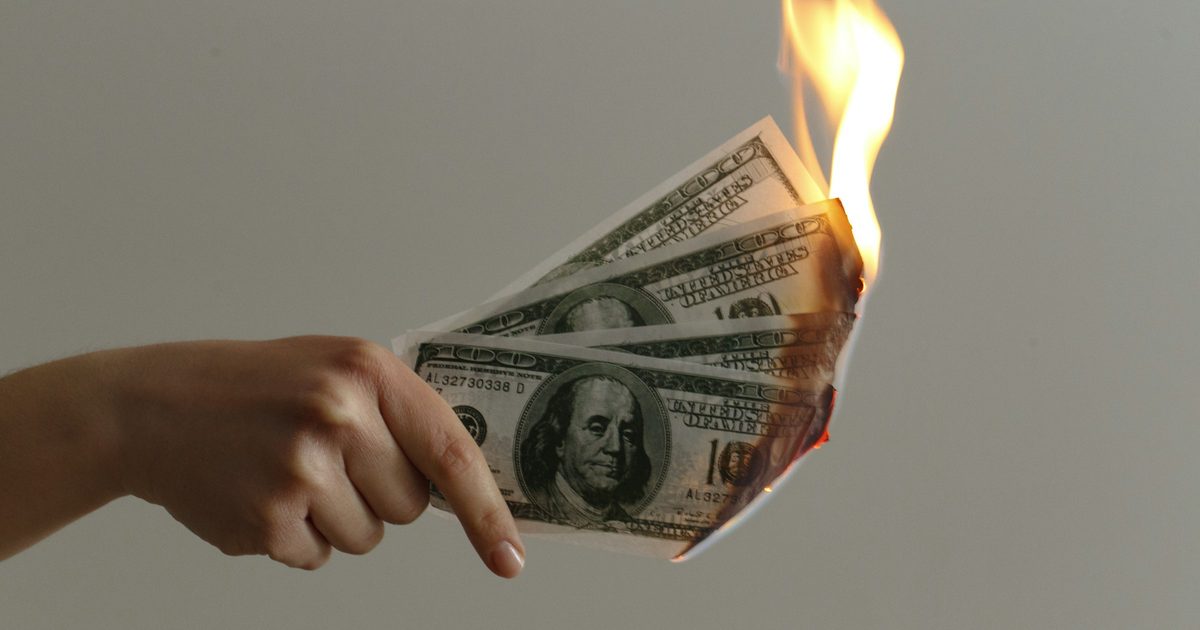
Burned one hundred US dollar banknotes
Photo by Jp Valery on Unsplash

Overview

An earnout moves part of the sale price into the future and makes it depend on how the business performs under new ownership. The column draws on a first-hand exit and argues that founders often treat that promise as extra money when it works more like a constraint. Much of the money promised in earnouts is never paid.

Four costs explain why. The seller becomes an employee working toward targets set by someone else’s strategy and budget. The buyer controls the metric, and choices about overhead, shared costs, or launches can push the target out of reach. The years spent chasing the payout carry an opportunity cost that often exceeds the payout itself. And staying tied to a company already left takes an emotional toll.

The core rule is to be fully satisfied with the cash received at closing. Treat any earnout as a bonus. Tie it to a metric the seller can influence, cap the transition period, and get protections on cost allocation, budgets, and reporting in writing.

Key Points

  • An earnout shifts part of the price into the future and makes it depend on results the seller no longer controls.
  • Whoever controls the earnout metric controls the payout, so tie it to revenue or retention, not cost-driven profit.
  • Years spent chasing an earnout carry an opportunity cost that often outweighs the bonus.
  • Be satisfied with the cash at closing and treat anything after it as a bonus at risk.
  • Cap the transition period and put protections on cost allocation and reporting in writing.

Why I Wrote It

I wrote this because a large promised payout can look more certain than it is. An earnout can leave founders working toward targets and decisions they no longer control, while delaying what comes next. I want readers to look closely at the terms and be satisfied with the cash they receive at closing.

The Full Article

The complete column, with the full reasoning and examples, is on Inc.com.

Read the Full Article on Inc.com

Share This Post

Pass It On.

Know a founder or leadership team working through this? Send it their way.

Bruce Eckfeldt is a business coach and strategic advisor to founder-CEOs of growth-stage companies and a former Inc. 500 CEO. He writes a column for Inc.com, hosts the From Angel to Exit podcast, and is the author of Springboard, a founder's guide to selling your company. Connect with him on LinkedIn.

The Related Program

Put It to Work.

VALUE10X helps founders build value and negotiate deal terms so more of the price arrives at closing, the protection this article recommends.

Business Exit Readiness Program VALUE10X

Will you exit on your terms or someone else's?

A buyer pays for the company you built, not the one you promise. VALUE10X builds enterprise value and removes the risks that discount the deal, long before you need to sell.

Duration
Matched to your exit window: a valuation assessment, a preparation roadmap, then implementation support on a six-month minimum.
Built for
Founder-CEOs planning to sell within 12 to 36 months who want the price to reflect what they built.
Method
Multiple valuation methods benchmarked against what buyers actually pay, then a roadmap that targets the drivers that move the multiple.
Outcome
A company worth more, less dependent on you, and ready for due diligence, so you sell from strength rather than pressure.
Take the Next Step

Two Ways to Take It From Here.

If you already know an exit is on the horizon, a strategy call is the fastest way to plan the runway. If you would rather see where you stand first, take one of the assessments.

Talk It Through

A working session on your exit, your timeline, and what it realistically allows, not a sales pitch.

  • Your timeline, and what it realistically allows
  • Which value drivers would move the price most
  • How ready you are for what comes after

You leave with a clearer read either way.

Score It Yourself

Ten minutes each. Score the business on what a buyer would pay for, or score yourself on readiness for life after the sale.

  • 24 statements each, scored instantly
  • No login and no email gate
  • Optional full report with next steps

Most founders take both, and the gap is the useful part.

Related Reading

Keep Going.

More on this topic from the Inc.com column, Field Notes, and The Playbook.

From the Inc.com Column
From Field Notes
Better, Faster: Subscribe

Get the Next One.

Every new post and playbook lands in Better, Faster, my weekly newsletter for founder-CEOs, along with questions for your team and a book worth reading.

Join Better, Faster

Free every week. One question, a short video, and a conversation worth joining.

  • One question worth taking to your leadership team.
  • A short video with my take.
  • A conversation with founder-CEOs facing the same problems.
  • LinkedIn Live replays, new podcast episodes, and a book review.

One email every Thursday, free. Unsubscribe any time.