Resources
Book Reviews.
The business books worth a founder-CEO's time, read through the lens of building, scaling, and selling a company. Each review covers the big ideas, where the book falls short, and practical tools you can bring to your leadership team.
-
 Leadership / Execution Tools of Titans Tim Ferriss World-class performance across every field is less a matter of innate talent than a portable, testable stack of tools, routines, and questions that any practitioner can borrow and validate on themselves.
-
 People / Culture 12 Habits of Valuable Employees Verne Harnish and Kevin Daum Doing your job well is the baseline, and real value comes from habits that improve the system around the job so the whole company grows.
-
 Leadership / Teams Emotions Revealed Paul Ekman Emotions arrive faster than thought and cannot be switched off, but a person who learns their triggers, the feel of each emotion, and the signals on other faces gains a few seconds of choice over what happens next.
-
 Leadership / Execution Extreme Ownership Jocko Willink and Leif Babin A leader owns every outcome in his or her world, including the failures of others, and teams perform to the standard the leader sets and tolerates.
-
 Cash Financial Intelligence for Entrepreneurs Karen Berman and Joe Knight An entrepreneur who can read the three statements, see the judgment calls inside them, and act on the ratios that follow can ask better questions, manage cash before it runs out, and teach the company to make money on purpose.
-
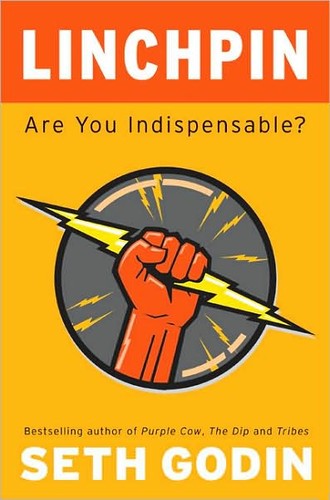 People Linchpin Seth Godin In an economy that commoditizes predictable work, the people who become indispensable are those who choose to bring judgment, generosity, and art to their jobs and who overcome their own resistance to ship it.
-
 Leadership Psycho-Cybernetics Maxwell Maltz People act in line with the picture they hold of themselves, and changing that picture through imagination, relaxation and rational thought changes what they can do.
-
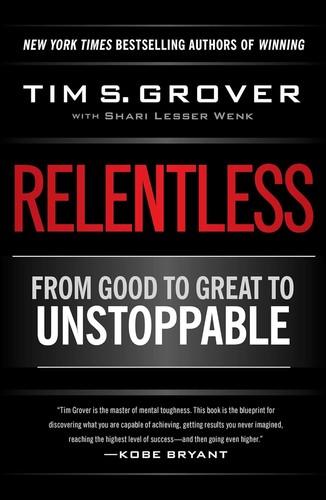 Leadership Relentless Tim S. Grover The difference between good, great, and unstoppable is a mindset of total ownership, instinct built through relentless preparation, and a craving for results that makes the work itself irrelevant.
-
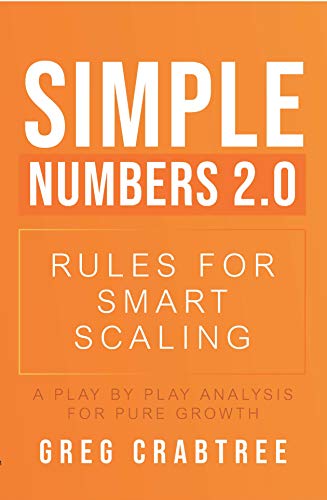 Cash Simple Numbers 2.0 Greg Crabtree A private company is an investment that should earn at least fifty percent pretax return on the capital the owners put in, and every growth decision should be judged against that standard rather than against revenue.
-
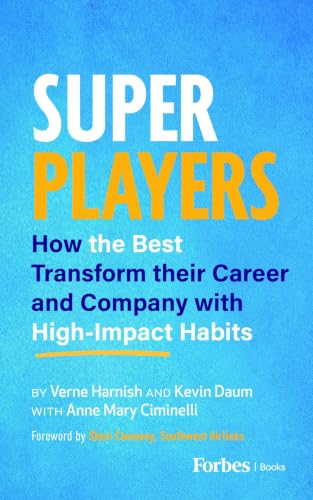 People / Teams Super Players Verne Harnish and Kevin Daum Super Players create value well beyond their pay by building habits that improve the system around their job, and in the AI era that includes leading the tools rather than being led by them.
-
 Leadership / Teams Talk Alison Wood Brooks Conversation is a learnable coordination skill, and four moves, choosing topics deliberately, asking more follow-up questions, injecting levity, and listening in words rather than gestures, account for most of the difference between conversations that work and those that do not.
-
 Sales / Partnerships The Art of Negotiation Michael Wheeler Negotiation is an exploratory process in which interests and options are discovered rather than brought to the table, so the decisive skill is disciplined improvisation built on solid preparation, not adherence to a fixed plan.
-
 Cash / Culture The Great Game of Business Jack Stack and Bo Burlingham A company runs best when everyone understands how it makes money and generates cash, sees the score every week, and shares in the outcome, so financial literacy becomes the operating system rather than a finance function.
-
 Leadership / People The Laws of Human Nature Robert Greene Human behavior is driven by a limited set of primal forces that operate below awareness, and the person who learns to observe those forces in others and in themselves gains calm, judgment, and influence that everyone else lacks.
-
 Strategy / Cash The Outsiders William N. Thorndike Jr. Long-term shareholder value depends less on operating brilliance than on how a CEO allocates capital, and the best allocators were rational, patient, independent, and focused on per-share value and cash flow rather than size, earnings, or Wall Street approval.
-
 Exits / Cash Value Tim Koller and Richard Dobbs and others A company creates value only by investing capital at returns above its cost and growing those investments, so every major decision, from acquisitions to buybacks to pay, should be tested against its effect on long-term cash flow rather than on earnings or the share price.
-
 Leadership Zen and the Art of Motorcycle Maintenance Robert M. Pirsig Good work, in mechanics or anywhere else, comes from caring about the quality of what is in front of you, and a form of reason that leaves out that sense of quality produces both ugly technology and the people who flee from it.
-
 Leadership / Exits From Strength to Strength Arthur C. Brooks Decline in one set of abilities coincides with growth in another. The task of the second half of life is not to fight the falling curve but to move deliberately onto the rising one, which means trading raw problem-solving for wisdom, teaching, and love.
-
 Leadership The Alter Ego Effect Todd Herman Performance is context-dependent, so the leverage is not in becoming a better person in general but in deliberately choosing who shows up on the one arena where the outcome is decided.
-
 Teams / Leadership Trillion Dollar Coach Eric Schmidt and Jonathan Rosenberg and others No leader builds an enduring company alone. The manager's real work is to build the team that builds the company, and coaching is the discipline through which that team is built.
- The Seller's JourneyDenise Logan Exits / Leadership The Seller's Journey Denise Logan Every business sale is two processes running at the same time. The transaction is what the advisors see. The transition is what the owner lives. The owner who confuses the two sabotages the deal or closes it and regrets it.
-
 People / Execution Buy Back Your Time Dan Martell Founder growth breaks when the founder is the bottleneck. The fix is not more discipline. The fix is to hire people specifically to buy back the hours the founder is spending on work below the founder's own rate, and to fill the reclaimed hours with work only the founder can do.
-
 Sales People Buy You Jeb Blount When products, prices, and specifications converge, the buyer is no longer choosing a product. The buyer is choosing a person. The five behaviors that determine which person gets chosen can be trained, coached, and measured.
-
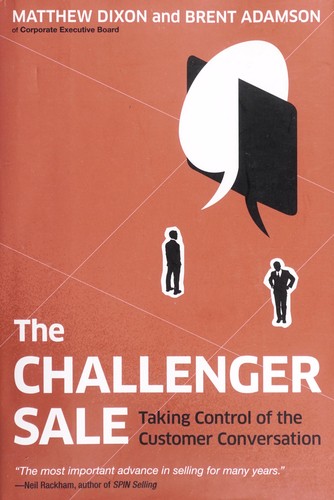 Sales The Challenger Sale Matthew Dixon and Brent Adamson In complex B2B sales, star performers are Challengers, not Relationship Builders. They teach, tailor, and take control, and the behaviors underneath each are trainable rather than innate. The framework is a management system as much as a rep skill set.
-
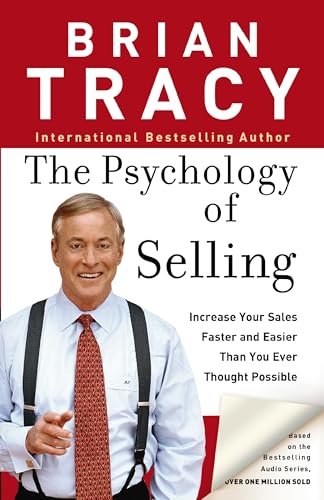 Sales The Psychology of Selling Brian Tracy The top twenty percent of salespeople earn eighty percent of the money because they operate from a different self-concept, not because they use different techniques. Change what the reps believe about themselves and the numbers change.
-
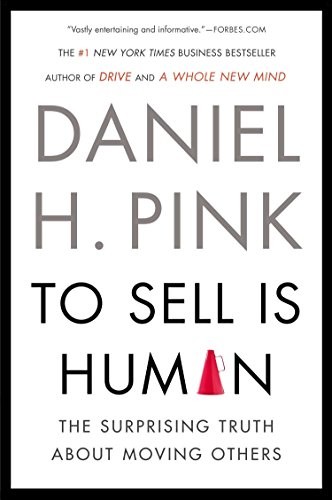 Sales To Sell Is Human Daniel H. Pink Everyone is in sales now, whether they carry a quota or not. The old ABC of Always Be Closing has been replaced by a new ABC of Attunement, Buoyancy, and Clarity, and the practical skills that move others are Pitch, Improvise, and Serve.
-
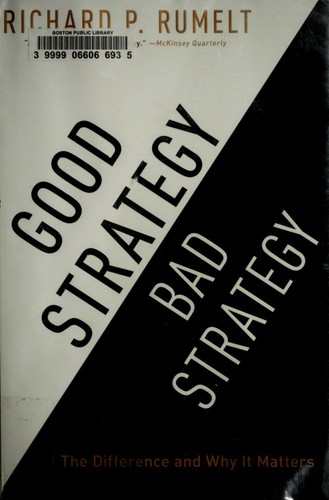 Strategy / Planning Good Strategy Bad Strategy Richard P. Rumelt Good strategy is a coherent argument connecting a diagnosis of the situation, a guiding policy for dealing with it, and a set of actions that carry the policy out. Bad strategy is a mixture of fluff, goals mistaken for plans, failure to face the challenge, and objectives that contradict each other.
-
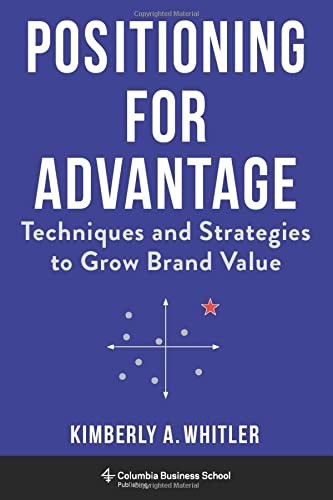 Strategy Positioning for Advantage Kimberly A. Whitler Positioning is a strategic decision made at the top of the company, not a tagline invented by the marketing team. Get the positioning right and every downstream choice becomes easier. Get it wrong and no amount of tactical marketing rescues the brand.
-
 Leadership The Motive Patrick Lencioni Leaders lead for one of two reasons. Because leadership is a reward, or because it is a responsibility. The first motive produces the avoidance behaviors most executive teams complain about. The second is the precondition for organizational health.
-
 Cash / Sales The Truth About Pricing Melina Palmer Pricing is not about the number. It is about everything that happens in the customer's brain before the number appears. Get the psychology right and the price becomes almost incidental.
-
 Leadership / Culture Servant Leadership Robert K. Greenleaf The servant-leader is servant first. The test is whether the people served grow as persons, become healthier, wiser, freer, more autonomous, more likely themselves to become servants. Every practice in the book follows from that test.
-
 Strategy / Execution Strategy and the Fat Smoker David Maister Real strategy is not analytical insight. It is resolve. Compared to others, do more of what everybody already knows they should do. The tools are management practices, not planning frameworks.
-
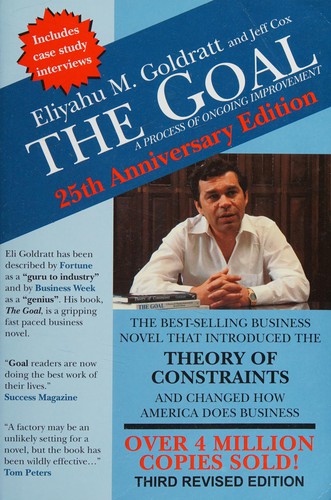 Execution The Goal Eliyahu Goldratt Every system is limited by a constraint. Identify it, exploit it, subordinate everything else to it, elevate it, and then find the next one. Local efficiencies at non-constraints produce inventory, not throughput. The whole system's output moves only when the constraint moves.
-
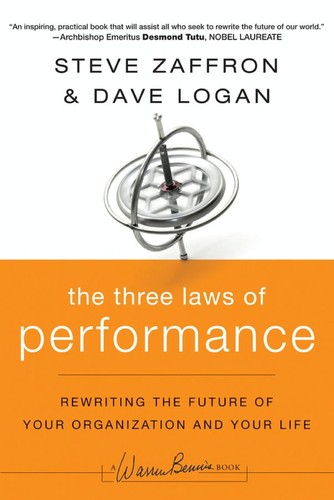 Execution / Culture The Three Laws of Performance Steve Zaffron and Dave Logan People and organizations do not act on the facts of a situation. They act on how the situation occurs to them. Change the occurrence, in language, and you change what people do.
-
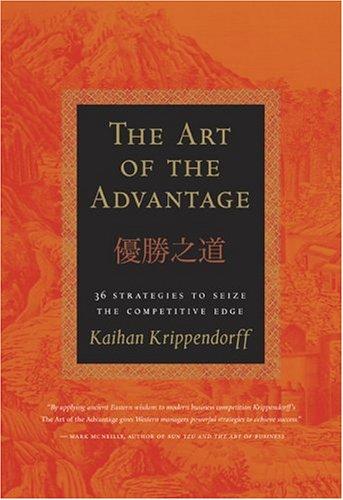 Strategy The Art of the Advantage Kaihan Krippendorff Competitive strategy has more moves in it than the Porter and BCG frameworks name. The Thirty-Six Stratagems, developed by Chinese generals across fifteen centuries, catalogue an additional set that Western training misses. The book teaches the vocabulary and applies each stratagem to a business case.
-
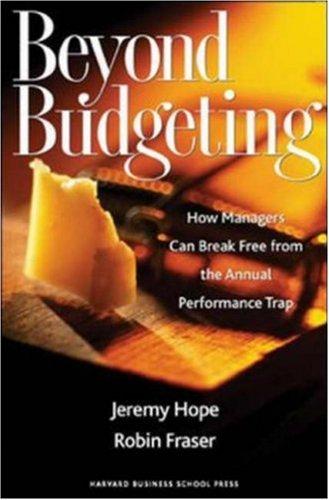 Cash / Planning Beyond Budgeting Jeremy Hope and Robin Fraser The annual budget is the operating system of most companies, and it is the operating system that produces the behavior everyone complains about. Replace it with relative targets, continuous planning, and frontline authority, and the behavior changes.
Better, Faster: Subscribe
Get the Next Review.
A new book review lands in Better, Faster, my weekly newsletter for founder-CEOs, along with one practical essay and questions for your team.